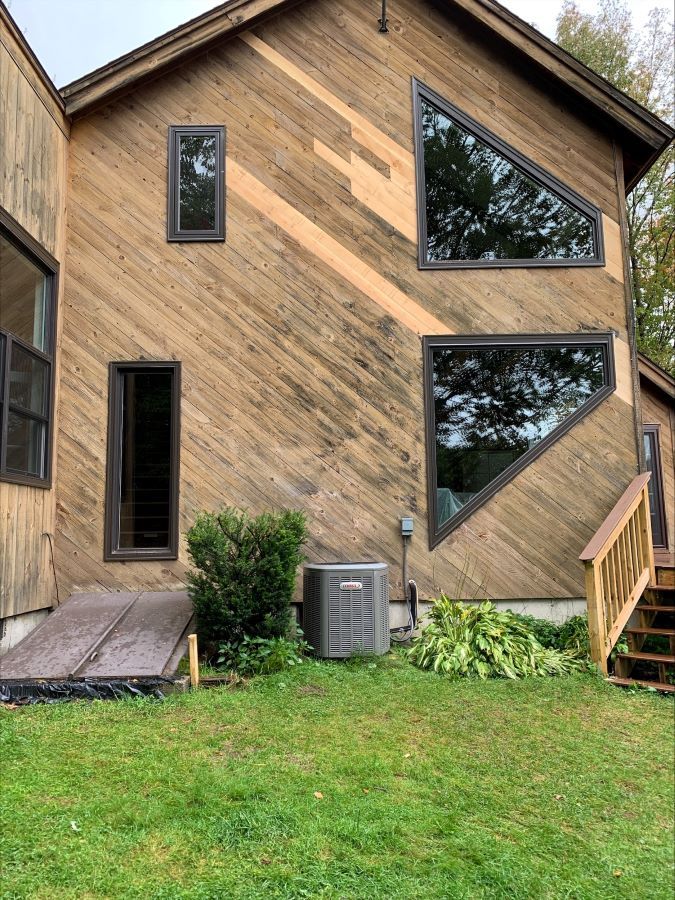
Closing Up the Camp: A Second-Homeowner's Guide to Winterizing Before Ski Season
A pre-winter checklist for Vermont vacation homeowners who won't be back until the snow flies
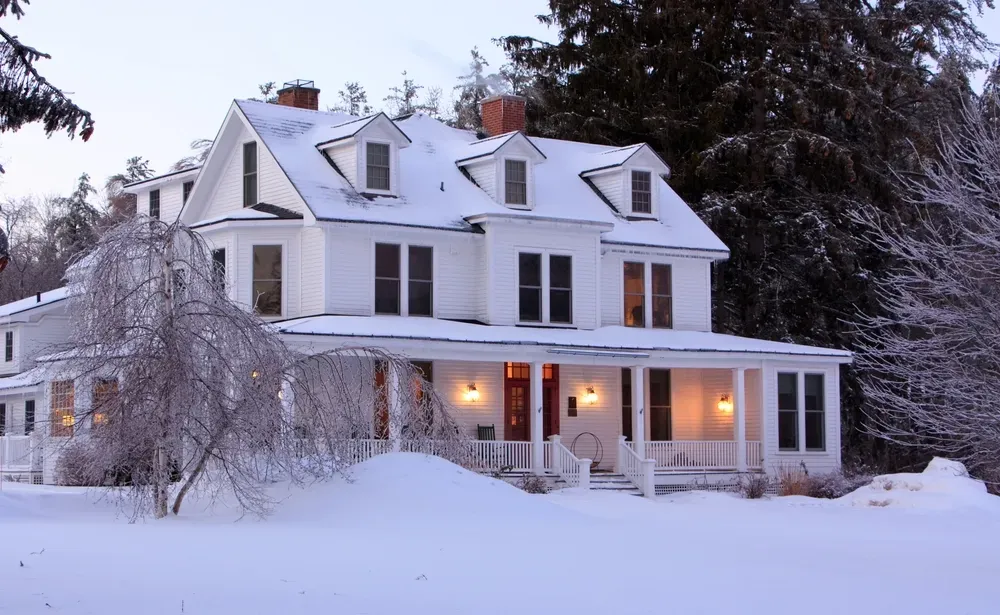
If you only get up to your Vermont place a handful of times a year, closing it up right before ski season isn't just a chore — it's cheap insurance. A burst pipe, a stuck damper, or a deck railing that gives out under snow load can turn into a five-figure repair by the time anyone notices, because nobody's around to catch it early. For second-homeowners around Manchester, Bennington County, and the Green Mountains, the week or two before winter really sets in is the best time to get ahead of it.
We work with many owners who split their time between here and somewhere else, so we've built our process around properties that sit empty for stretches. Here's what we walk through with clients getting a camp or vacation home ready for winter — and where it's worth calling in a professional rather than handling it solo on your last weekend of the season.
Why Closing Up Right Matters More for a Second Home
A full-time home has someone in it to notice when the furnace short-cycles or a window seal starts letting in a draft. A second home doesn't get that daily check-in, so small problems can go weeks or months before anyone notices. Frozen and burst pipes are the classic example — a supply line that would take a homeowner five minutes to notice and shut off in a primary residence can run unnoticed in a vacation property until it's soaked through flooring, drywall, and insulation.
The goal before you head out for the season is to leave the property in a state where nothing needs to happen for it to stay safe — no assumption that someone will check on it, no reliance on a system that could fail quietly.
The Vermont Second-Home Winterization Checklist
Water Lines & Plumbing
If the home won't be heated consistently over the winter, draining the plumbing system is the single most important step. That means shutting off the main water supply, draining pipes and water heaters, adding antifreeze to traps and toilet bowls, and disconnecting outdoor hose bibs. If you're keeping minimal heat running to protect the structure, pipes in exterior walls and unheated spaces (crawlspaces, garages, basements) still need extra insulation or heat tape.
Heating System & Thermostat Settings
Even an unoccupied home usually needs some baseline heat to protect against freezing — typically a thermostat set in the mid-50s, paired with a system you trust to actually run without anyone there to reset a tripped breaker. Before you leave, have the heating system serviced and confirm it works reliably, check that fuel levels (oil or propane) will last the season, and consider a smart thermostat or remote temperature sensor that alerts you if the house drops below a safe threshold.
Decks, Railings & Outdoor Structures
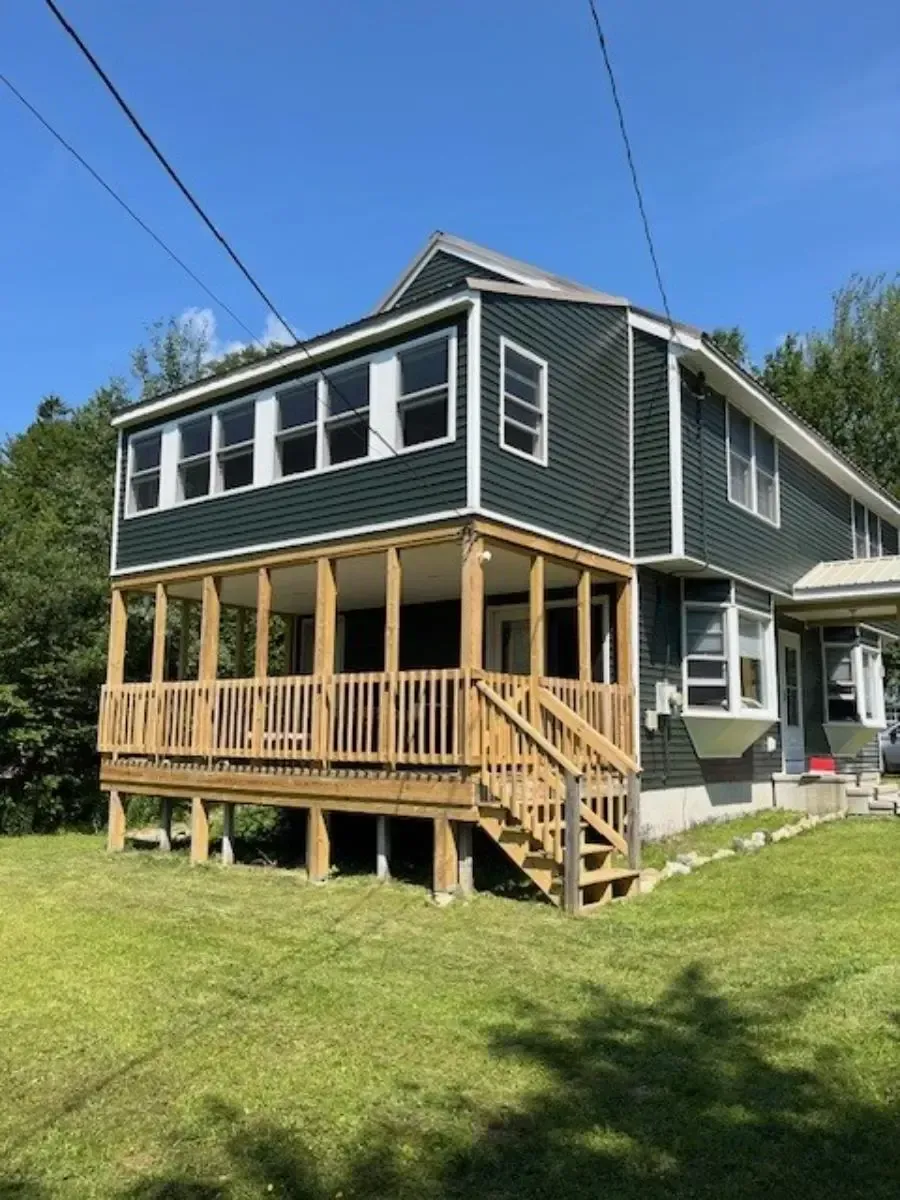
Vermont winters are hard on anything left outside. Walk the deck and check railings, ledger boards, and footings for movement or rot before the first heavy snow — a repair that's simple in October becomes a much bigger job once it's buried and iced over. Store or cover outdoor furniture, and check any structure with a flat or low-pitch roof (a porch, a shed, a garage) to see whether it can handle the snow load.
Windows, Doors & Weather Sealing
Check weatherstripping and caulking around windows and doors, since gaps here are one of the biggest sources of heat loss and ice damming along rooflines. If storm windows or shutters are part of the property, this is the time to put them up.
Garage, Shed & Outbuildings
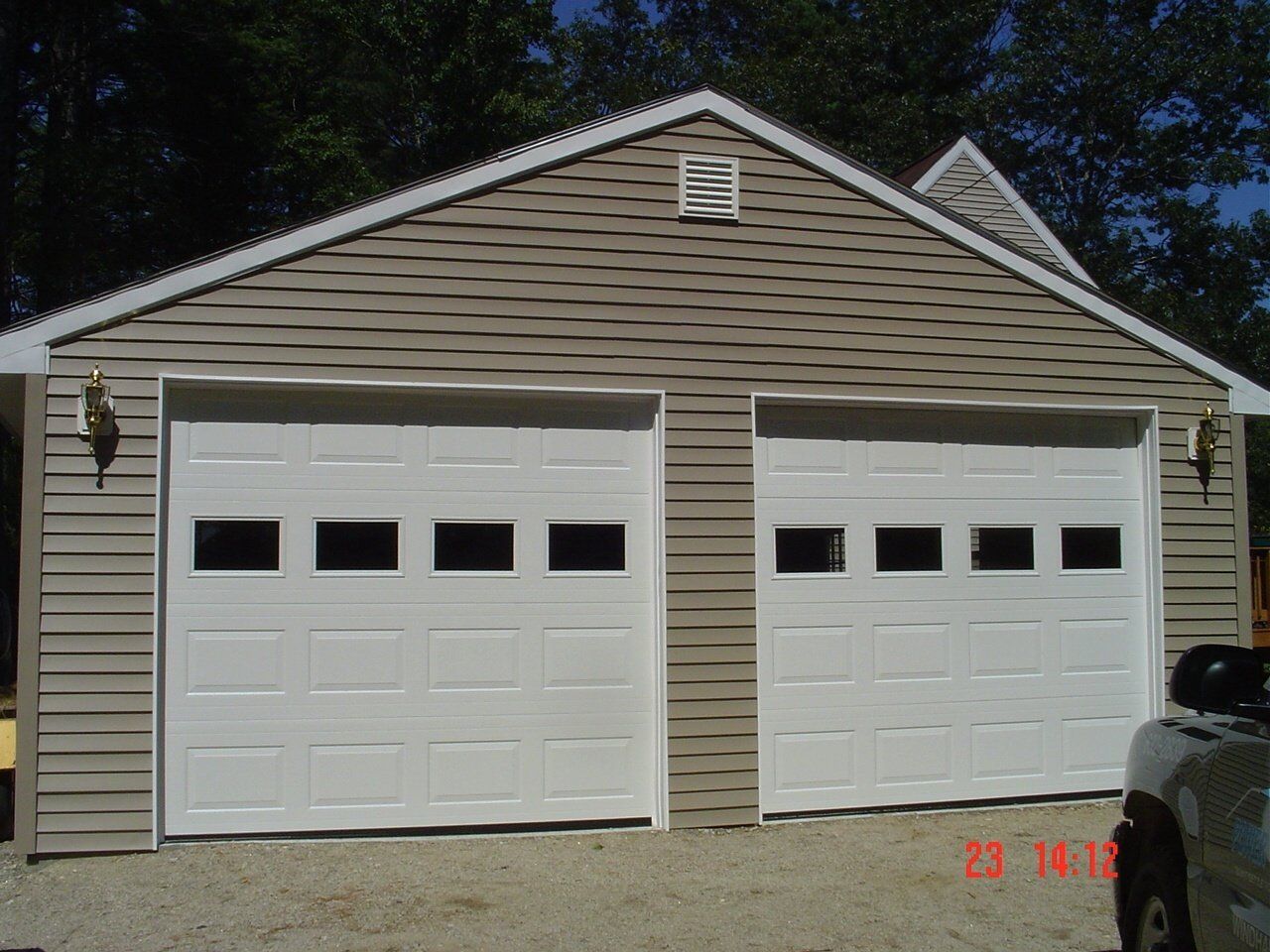
Garages and outbuildings often get treated as an afterthought, but an unheated garage attached to the house can still let cold air in around shared walls and doors. Clear gutters, check for gaps where pests could get in over winter, and make sure any equipment left inside (mowers, generators, ATVs) is properly stored and fuel-stabilized.
Keeping an Eye on Things From Away
This is the part most winterization checklists skip: what happens after you leave. We keep seasonal and second-home clients updated through photos, texts, and video check-ins throughout a project and, for ongoing clients, through periodic property walkthroughs over the winter — so if something does come up (a downed branch, an ice dam, a furnace hiccup), you're hearing about it from us with photos in hand, not discovering it in April.
When It's Time to Call In a Pro
Some of this is a solo afternoon with a checklist. Some of it isn't — draining a plumbing system correctly, servicing a heating system, or evaluating whether a deck or porch roof can handle Vermont snow load is worth a professional look, especially if you won't be back to fix a mistake until spring. Our handyman services and half-day projects are built for exactly this kind of pre-winter punch list: a few hours on-site to knock out everything from weatherstripping to deck inspections to garage organization, without needing to schedule a full renovation crew.
Getting Ready for Manchester's Ski Season
If your property is in or near Manchester, Vermont, winterizing early matters even more — the town's ski and mountain tourism season means contractors and service providers book up fast once the snow starts flying. We work throughout Manchester Village, Manchester Center, and Manchester Depot as part of our Bennington County service area, and we're used to the rhythms of second-home ownership here: owners who show up for a few weeks around the holidays and school breaks and need the house ready and problem-free when they do.
Frequently Asked Questions
How early should I start winterizing my Vermont vacation home?
Start planning by early-to-mid October, especially if you need to schedule a contractor for plumbing shutoff or a heating system inspection — those calendars fill up fast once the weather turns, and you don't want to be doing this the weekend before the first hard freeze.
Do I need to fully drain the plumbing, or can I just leave the heat on low?
It depends on how often you'll be back and how confident you are that the heating system can run unattended for weeks or months at a time. If you won't be checking on the property regularly, a full drain-down is the safer option — a heating system failure with water still in the pipes is how most winter freeze damage happens.
What temperature should I set the thermostat to if I'm leaving the heat on?
Most contractors recommend a minimum of around 55°F to protect against freezing, but the right number depends on the home's insulation, exposure, and the reliability of the heat source. We can walk your specific property and recommend a setting.
Can you check on my property while I'm away for the winter?
Yes. We work with many seasonal and second-home clients on periodic winter check-ins and keep you updated with photos and texts if we're on-site for any reason—so you're not finding out about an issue for the first time when you arrive in the spring.
My deck looked fine all summer — does it really need to be checked before winter?
Snow load and freeze-thaw cycles put a lot more stress on a deck than a summer of foot traffic does. A railing or ledger board that's slightly loose in August can fail under a heavy snow load in January, so it's worth a quick inspection while it's still easy to access and repair.
What if I'm just closing up for a few weeks, not the whole winter?
Even a short absence in deep winter is worth some basic precautions — a reliable heat source, no exposed outdoor plumbing, and someone who can check in if there's a hard freeze or major storm while you're gone.
Get Your Vermont Vacation Home Ready for Winter
Whether you need a full pre-winter walkthrough or just a few specific items handled before you head out, we'll come take a look and put together a straightforward plan — no generic checklist, just what your property actually needs. Call 802-379-1418 or email inquire@AlClaytonConstructionServices.com to schedule a free estimate. Get a free estimate for your Vermont property
The
Vermont Second - Home Winterization Checklist
Tap a box to check it off as you close up the camp before ski season. Your progress stays saved on this device.
Want a second set of eyes on the property?
Al Clayton Construction Services works with second-homeowners throughout Manchester and Bennington County to knock out pre-winter punch lists — plumbing shutoff, heating checks, deck inspections and more.
Al Clayton Construction Services · Manchester Village, Manchester Center & Manchester Depot, VT