Staining & Sealing Outdoor Wood Structures: Protecting Bridges, Pergolas, and Walkways Through New England Winters
Why Every Outdoor Wood Feature Needs a Winter-Ready Finish
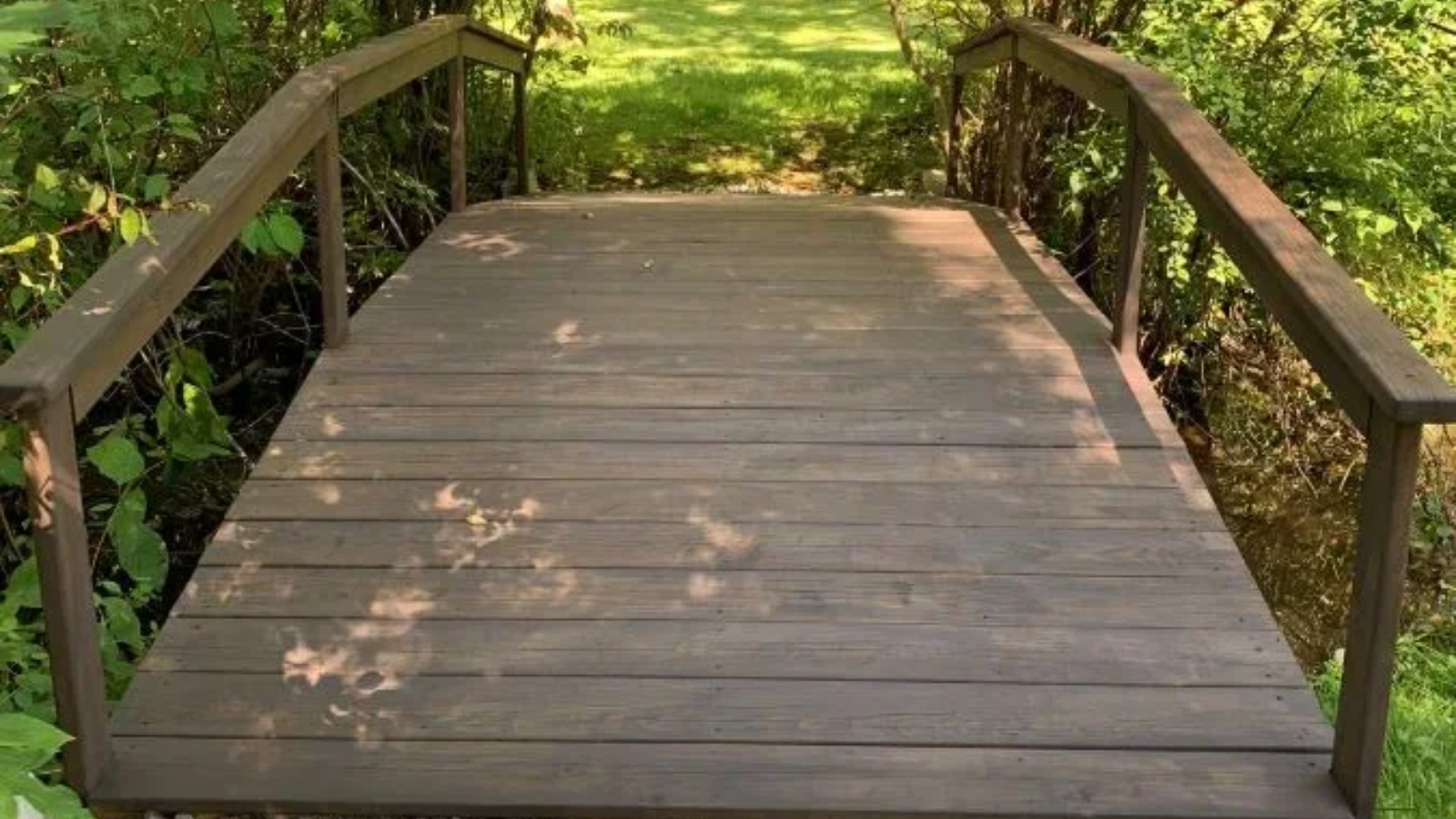
A beautifully built outdoor wood structure — a garden bridge, a pergola, a walkway — is only as good as the finish protecting it. New England winters are hard on exposed wood: freeze-thaw cycles, snow load, road salt runoff, and months of moisture exposure can turn an untreated structure gray, cracked, and unstable within just a few seasons. The good news is that a proper staining and sealing routine, done at the right time of year, can add years of life to these features.
Why Untreated Wood Doesn't Survive a Vermont Winter
Wood is porous, and without a protective finish, it constantly absorbs and releases moisture. In a climate like ours, that moisture freezes and expands inside the wood fibers, which leads to:
- Surface checking and cracking
- Warping or cupping of boards
- Loosened joints and fasteners
- Mold, mildew, and rot in shaded or low-airflow areas
- Fading and graying from UV exposure even in colder months
A structure like a garden bridge over a stream is especially vulnerable, since it sits near constant moisture and often gets less direct sun than open decks or patios.
Choosing the Right Stain and Sealant for Outdoor Structures
Not all finishes are built for New England conditions. The right choice depends on the wood species, sun exposure, and how close the structure sits to water or damp ground.
- Semi-transparent stains let natural wood grain show through while adding UV and moisture protection — a good fit for feature pieces like bridges and pergolas where the craftsmanship should stay visible.
- Solid stains offer heavier protection and more color consistency, better suited to structures with more weather exposure or older wood that's starting to show wear.
- Water-repellent sealants are essential for anything near standing water or a stream, since they reduce the wood's ability to absorb moisture from below as well as above.
- Combination stain-and-sealant products simplify maintenance by handling color, UV protection, and water resistance in one application, though they typically need reapplication more often than professional-grade separate products.
When to Stain and Seal: Timing Matters
Fall is one of the best windows for staining outdoor wood in Vermont — cooler, drier days let the finish cure properly before winter moisture arrives, and the wood has had a full season to dry out from summer humidity. Staining too late, once temperatures regularly drop below the finish manufacturer's minimum application range, can result in poor adhesion and a finish that fails by spring.
The Staining Process, Done Right
A proper job isn't just a coat of stain over old, weathered wood. It typically involves:
- Cleaning the structure to remove dirt, mildew, and old, failing finish
- Light sanding to open the wood grain for better absorption
- Allowing full dry time before application, especially critical near water
- Applying stain and sealant in thin, even coats rather than one heavy coat
- Checking hardware, joints, and fasteners while the structure is accessible
Skipping steps — especially cleaning and dry time — is the most common reason a fresh stain job fails within a year.
Maintenance: Protecting the Investment Year-Round
Once a structure is properly stained and sealed, upkeep is straightforward:
- Rinse off dirt, pollen, and debris a few times a year
- Inspect annually for early signs of wear, especially on horizontal surfaces
- Reapply stain every 2–4 years depending on sun and water exposure
- Address small cracks or gaps promptly before moisture gets underneath the finish
Frequently Asked Questions
How often should an outdoor bridge or pergola be restained? Most structures need restaining every two to four years, though pieces with heavy sun exposure or close proximity to water may need it closer to the two-year mark. Annual inspection helps catch fading or wear before it becomes a bigger repair.
Can wood be stained in cold weather? Most stains and sealants have a minimum application temperature, typically in the 50°F range, and need several dry, mild days to cure fully. Late September through October is usually the last reliable window before Vermont temperatures drop too low for a proper cure.
Is sealing more important than staining for structures near water? Both matter, but water-repellent sealing is especially critical for structures near a stream or pond, since moisture can wick up from below as well as fall from above. A finish that only addresses UV protection without water resistance won't hold up in that environment.
What happens if I skip cleaning before restaining? Applying new stain over dirt, mildew, or an old, failing finish prevents proper adhesion, so the new coat can peel or wear unevenly within months rather than lasting the intended two to four years.
Keep Your Outdoor Structures Winter-Ready
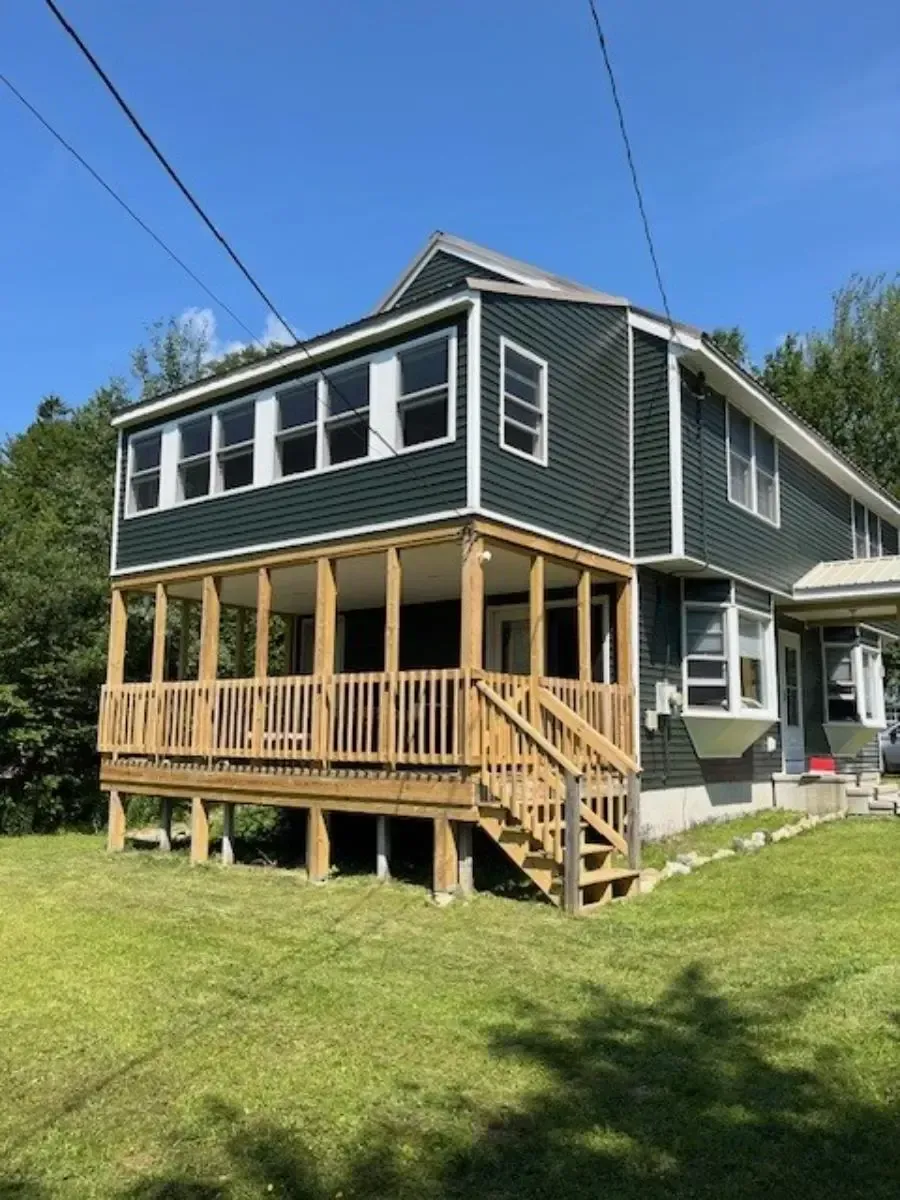
Whether it's a garden bridge, pergola, walkway, or deck, Al Clayton Construction helps Bennington-area homeowners protect their outdoor wood features before winter sets in. See examples of recent staining and building work on our projects page and before-and-after photos, or explore our handyman services and repair and remodel offerings. Contact us to schedule staining before the weather turns.