Renovating a Historic Vermont Home: What to Know Before You Start
What to know about permits, matching trim, and preserving character before you start
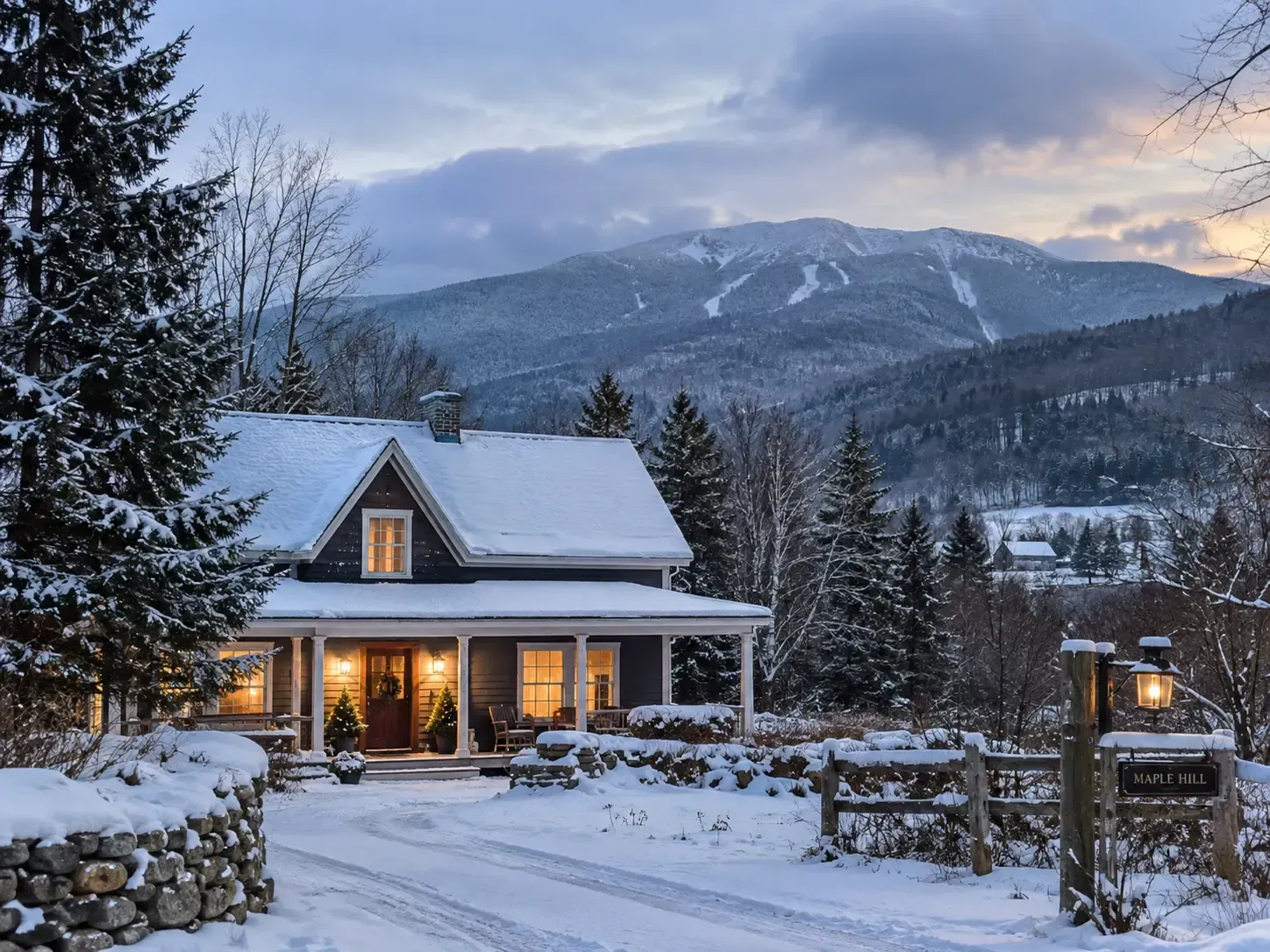
Vermont towns like Manchester and Bennington are full of homes with real history behind them — Victorian storefronts, Georgian Revival estates, farmhouses that have been added onto a half-dozen times since the 1800s. That history is exactly why people fall in love with these properties, and it's also what makes renovating one different from working on a newer build. Before you start picking finishes or knocking down a wall, it's worth understanding what "different" actually means in practice.
We've spent more than 25 years doing renovation and remodeling work across Bennington County, including plenty of homes with real age and character behind them. Here's what we walk clients through when a historic home is part of the project.
What Makes Renovating a Historic Home Different
Two things, mainly: what you're allowed to change, and how hard it is to match what's already there. A lot of older homes in towns like Manchester sit inside recognized historic districts, which can affect what changes are permitted — especially to anything visible from the street. And even outside a formal historic district, older construction methods, materials, and dimensions (a rough-cut stud that isn't a modern 2x4, trim profiles no longer sold at the lumber yard) mean a renovation has to work with what's there rather than assuming everything matches current standard sizes.
Before You Swing a Hammer: Research & Permitting
Historic District Designations
Manchester has several state-recognized historic districts — including areas around Depot Street, Bonnet Street, and Main Street — where exterior changes may need review before work begins. It's worth finding out early whether your property falls inside one of these districts, since it can affect timelines for anything visible from the street: siding, windows, rooflines, additions.
Working With Local Historical Commissions
If your project does need historic review, build that time into your schedule. These reviews aren't usually about stopping a renovation — they're about making sure changes are compatible with the character of the district. A contractor who's done this kind of work before can often help you scope a project in a way that satisfies both your goals and the review process, rather than discovering a conflict partway through.
Preserving Character While Updating What's Underneath
Matching Trim, Moldings & Millwork
One of the most common requests we get on historic homes is matching existing trim, baseboards, and window casings so new work doesn't stand out from the original. That sometimes means having custom millwork run to match a discontinued profile, rather than using off-the-shelf trim from a big-box store. It's a slower, more detail-driven process, but it's the difference between a renovation that looks like it belongs and one that looks like an obvious patch.
Updating Systems Without Losing Charm
Most historic homes need real system upgrades — updated electrical, better insulation, more efficient heating — and none of that has to come at the expense of the home's character. Insulation can often be added without disturbing original plaster or trim, and energy-efficient upgrades (including solar-ready wiring where it makes sense) can be planned so they're invisible from the rooms people actually live in.
Budgeting for the Unexpected
Older homes have a way of surprising you once walls come open — knob-and-tube wiring nobody mentioned, framing that's been modified more than once, moisture damage hidden behind a finished surface. This isn't a reason to avoid renovating a historic home, but it is a reason to budget for some flexibility and work with a contractor who prices projects with milestones rather than a single rigid number, so unexpected findings can be addressed without blowing up the whole plan.
Choosing a Contractor Who Understands Historic Work
Not every contractor is set up for this kind of project — matching old trim profiles, navigating historic district review, and working carefully around original materials all take a different pace and skill set than new construction. As a small, hands-on operation, we take on these projects personally rather than handing them between rotating subcontractors, which matters when the whole point is getting the details right. We've applied that same approach as we've extended our work from Bennington into neighboring towns like Arlington and Shaftsbury, and now into Manchester's historic districts as well.
Frequently Asked Questions
How do I find out if my home is in a historic district?
Your town or city planning office can tell you whether your property falls within a designated historic district, and in Manchester that includes areas around Depot Street, Bonnet Street, and Main Street. It's worth checking before finalizing renovation plans, especially for anything that changes the exterior.
Will being in a historic district stop me from renovating my home?
No — it typically means changes visible from the street go through a review process to make sure they're compatible with the district's character, not that renovation is off the table. Interior work is usually far less restricted than exterior changes.
Can you match trim and moldings that aren't made anymore?
In most cases, yes. We can often have custom millwork run to match an existing profile, which is common on older homes where original trim isn't available at standard lumber yards.
Will updating the insulation or electrical ruin the character of my old home?
Not if it's planned well. Insulation and electrical upgrades can usually be done without disturbing original plaster, trim, or flooring — the goal is making the home more comfortable and efficient without changing how it looks or feels.
How much extra should I budget for surprises in an old house?
It varies by project and the home's history, but it's smart to build in some flexibility beyond your base estimate. We price projects with milestones as work progresses, so if something unexpected turns up behind a wall, we can address it without derailing the whole budget.
Do you only work on historic homes, or newer construction too?
Both. We handle everything from historic renovations that require careful matching and review, to newer builds and additions — the same hands-on approach applies either way.
Start Your Historic Home Renovation the Right Way
If you're considering a renovation on an older or historic Vermont home, we'll walk the property with you, talk through what's realistic given the home's age and any district requirements, and put together a plan before any work starts. Call 802-379-1418 or email inquire@AlClaytonConstructionServices.com for a free consultation. Get a free estimate for your historic home renovation